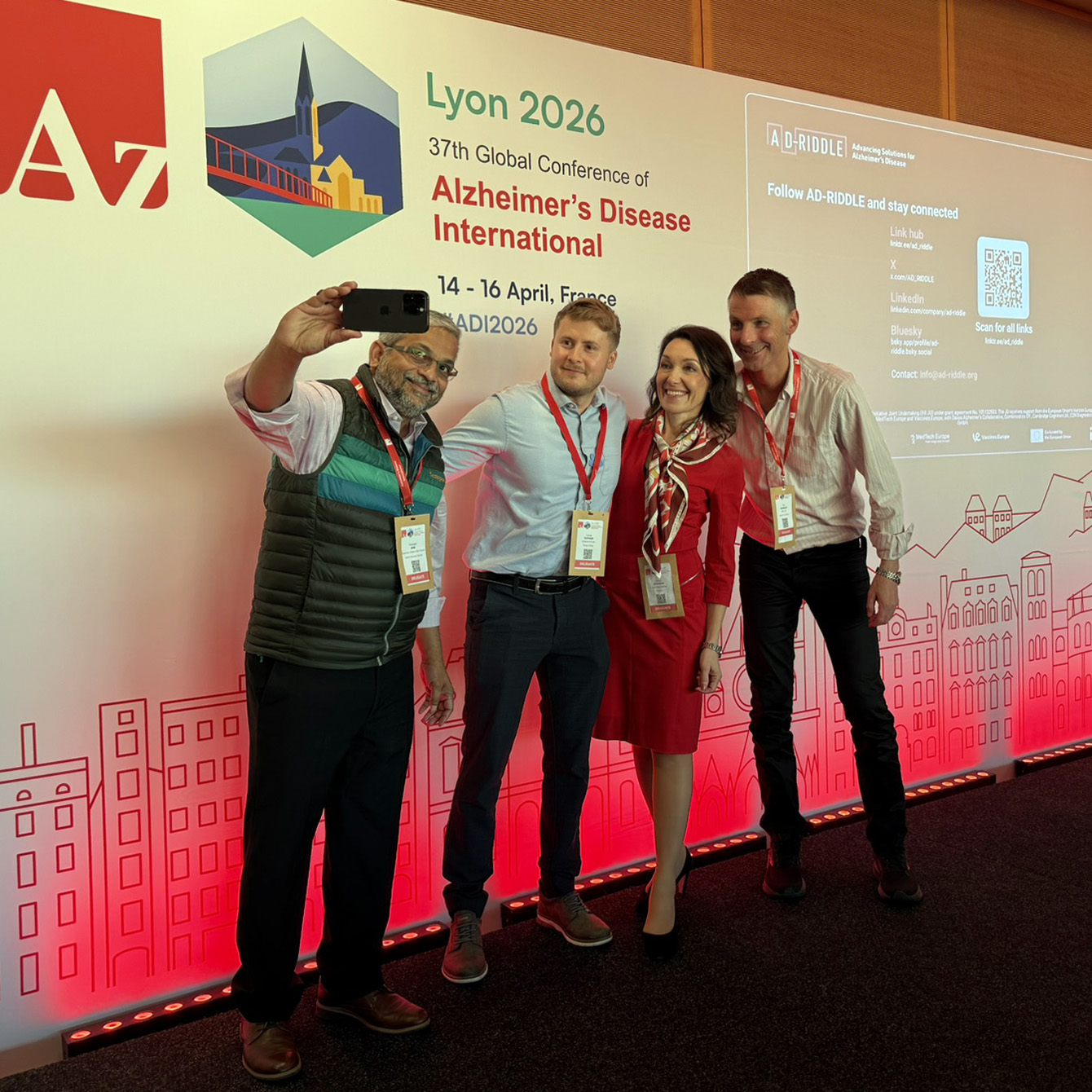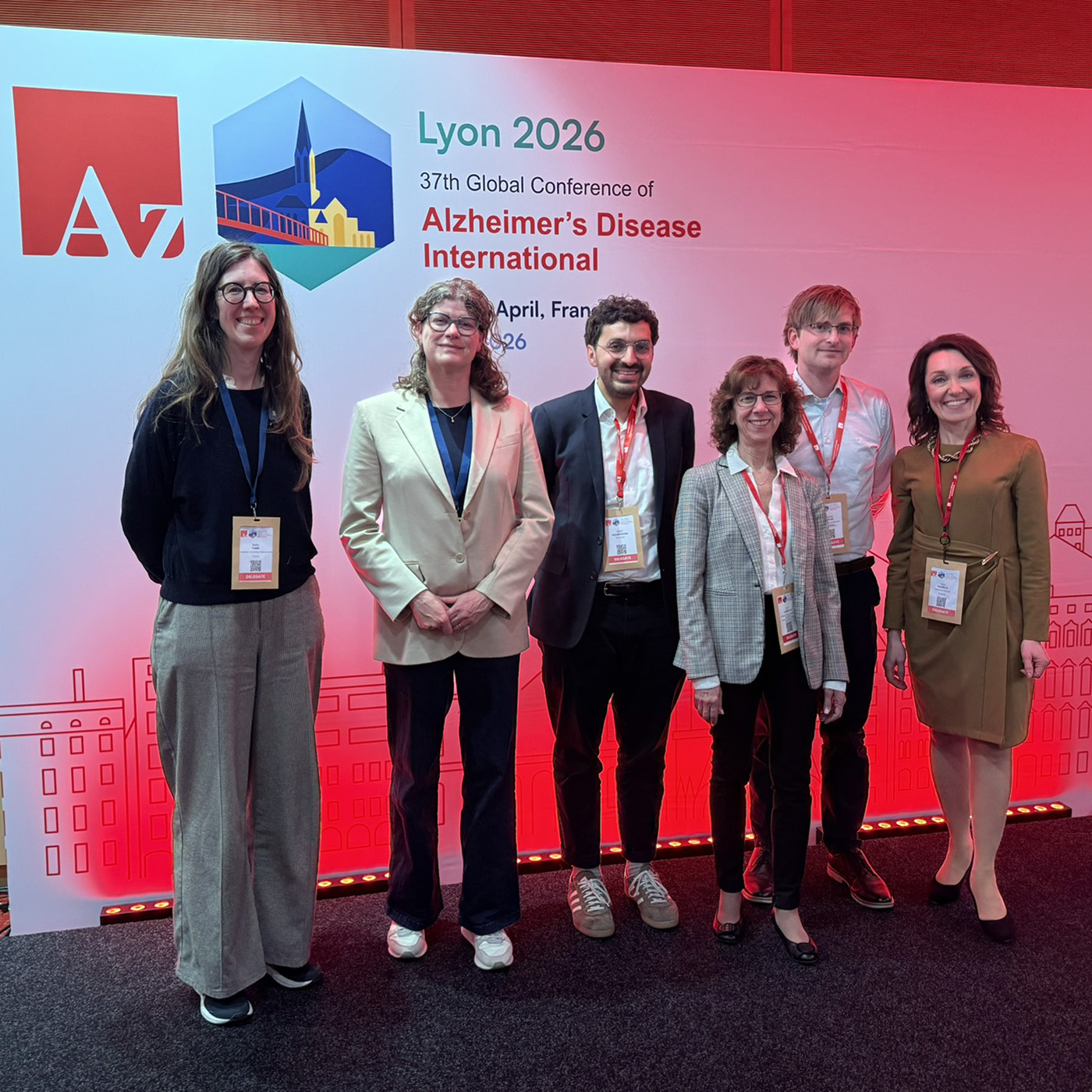


Prevention and risk reduction was in focus at the Alzheimer’s Disease International (ADI) conference in April 2026.
Arranged in Lyon, France, the three-day program included many presentations and discussions that gave additional hope and fuel to the world-wide efforts on prevention, early detection, and treatment of cognitive diseases.
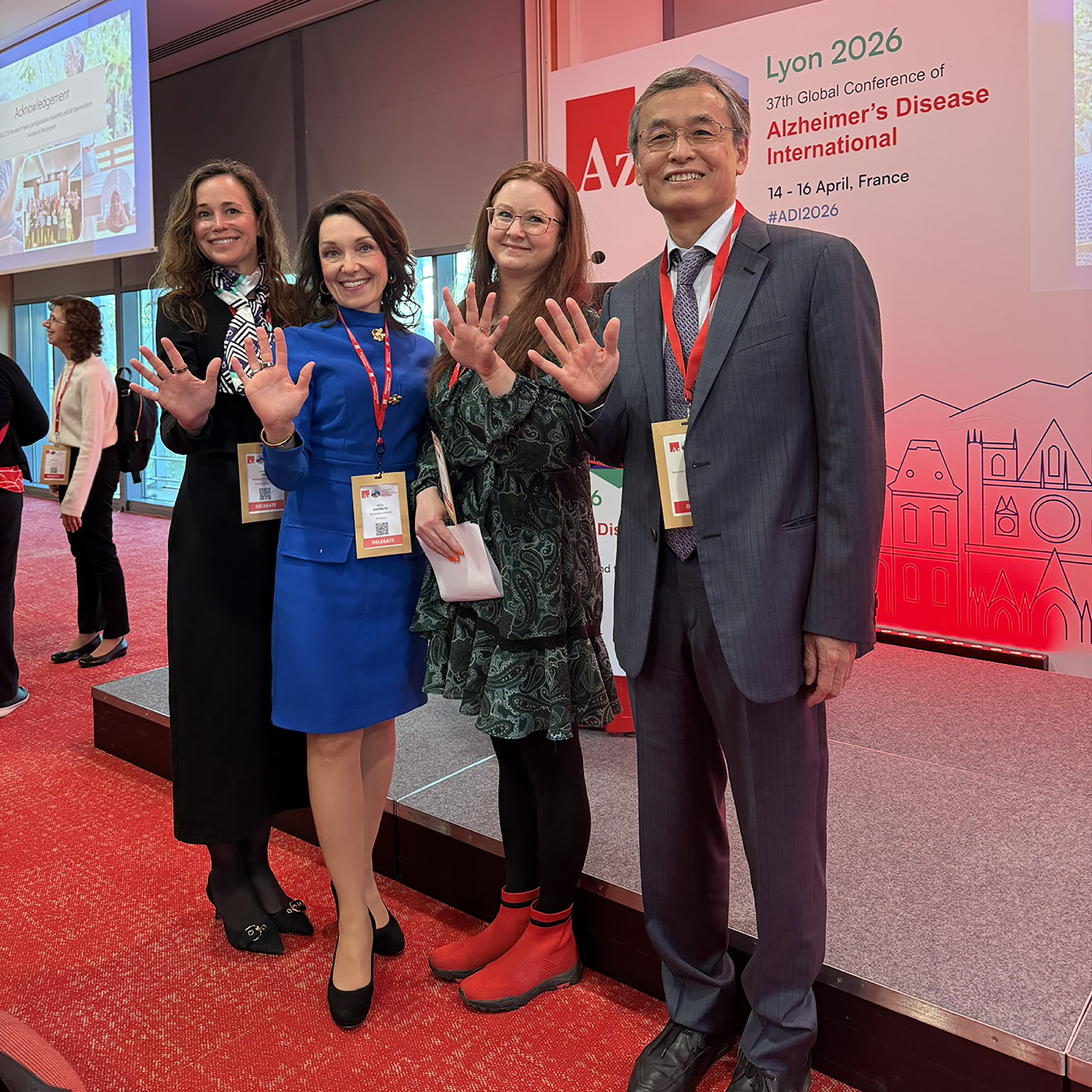
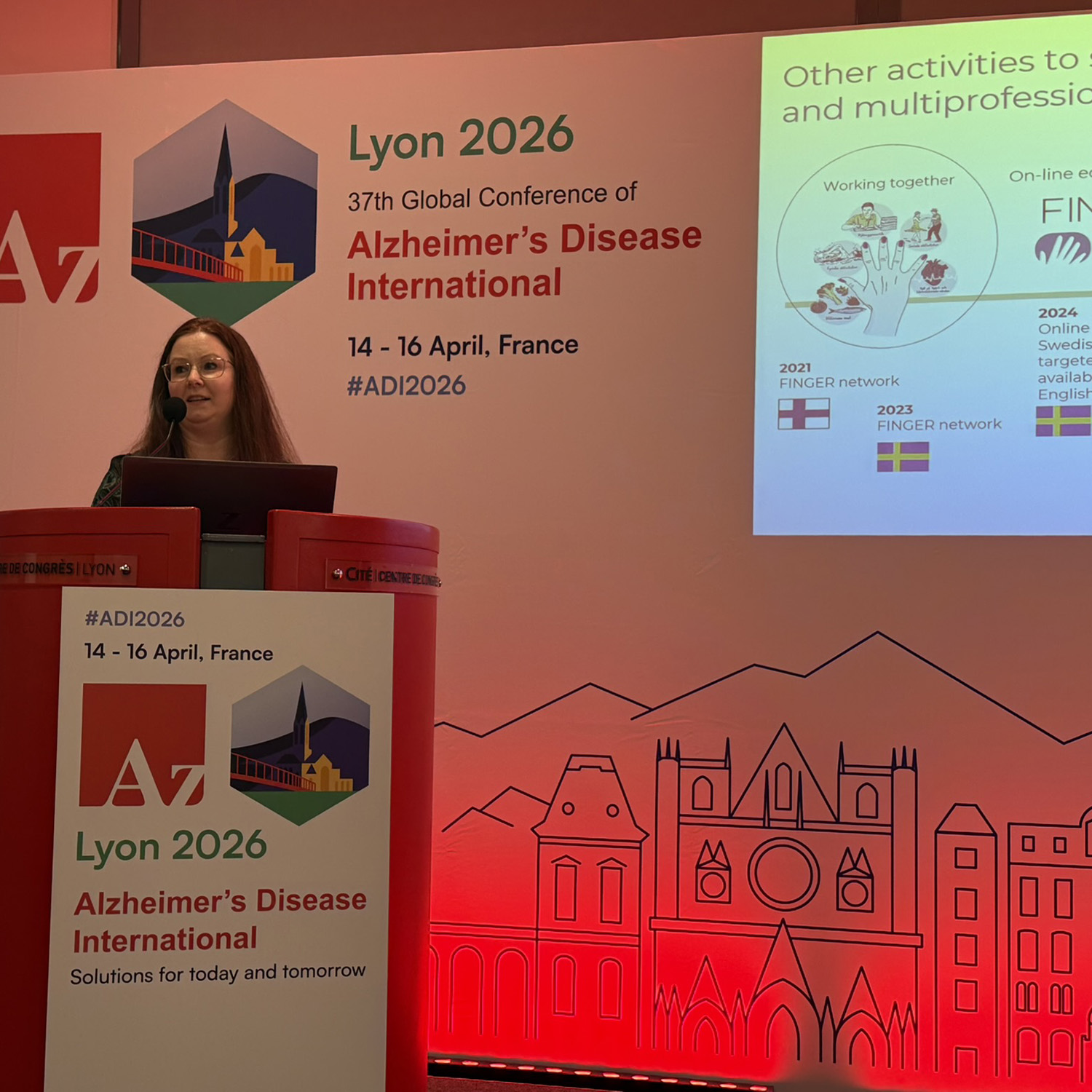
World-Wide FINGERS symposium on multidomain interventions for risk reduction
We had the opportunity to share experiences and updates in a World-Wide FINGERS symposium, dedicated to global FINGER research and implementation. In the World-Wide FINGERS network, the FINGER model has been adapted and enhanced in different populations and settings in many countries.
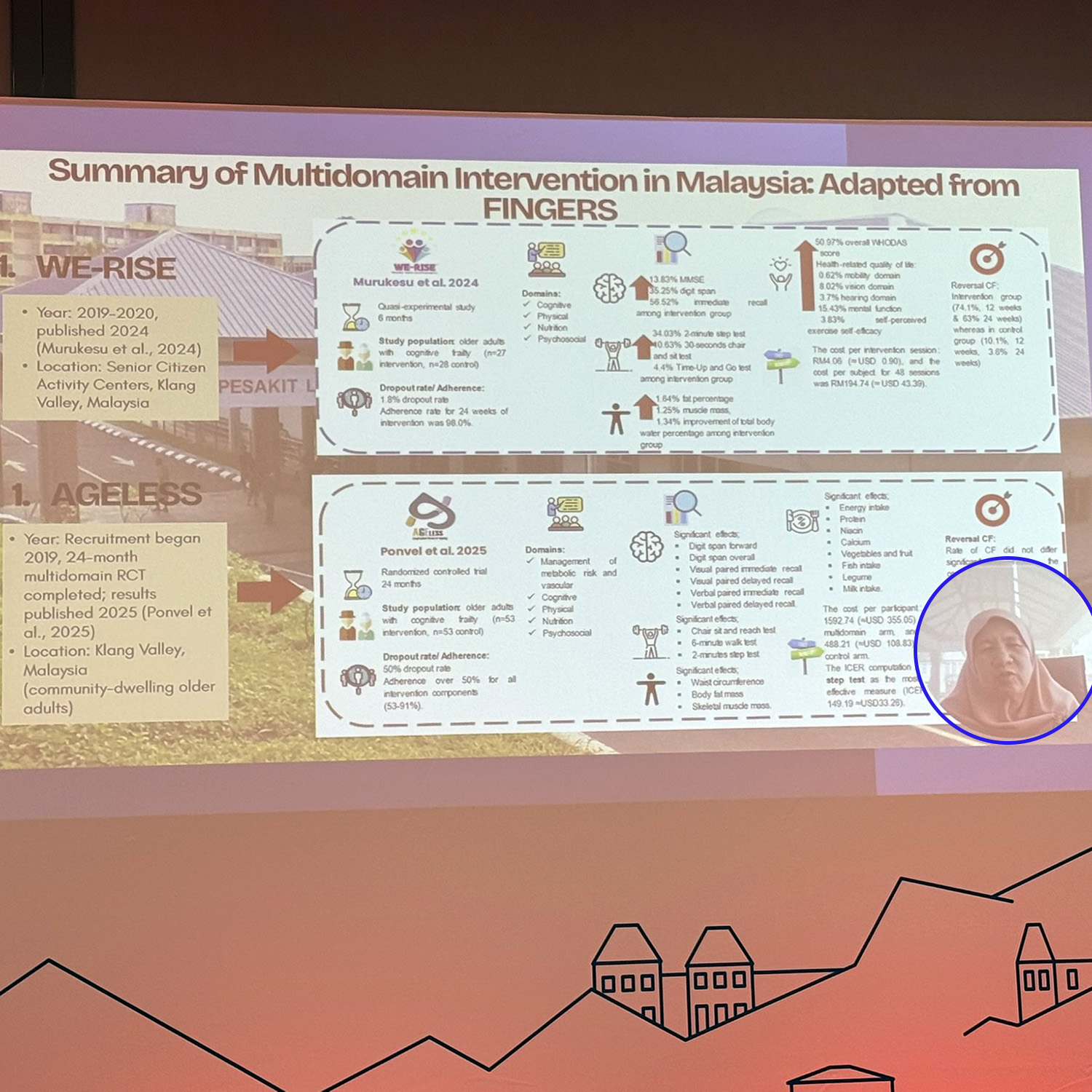
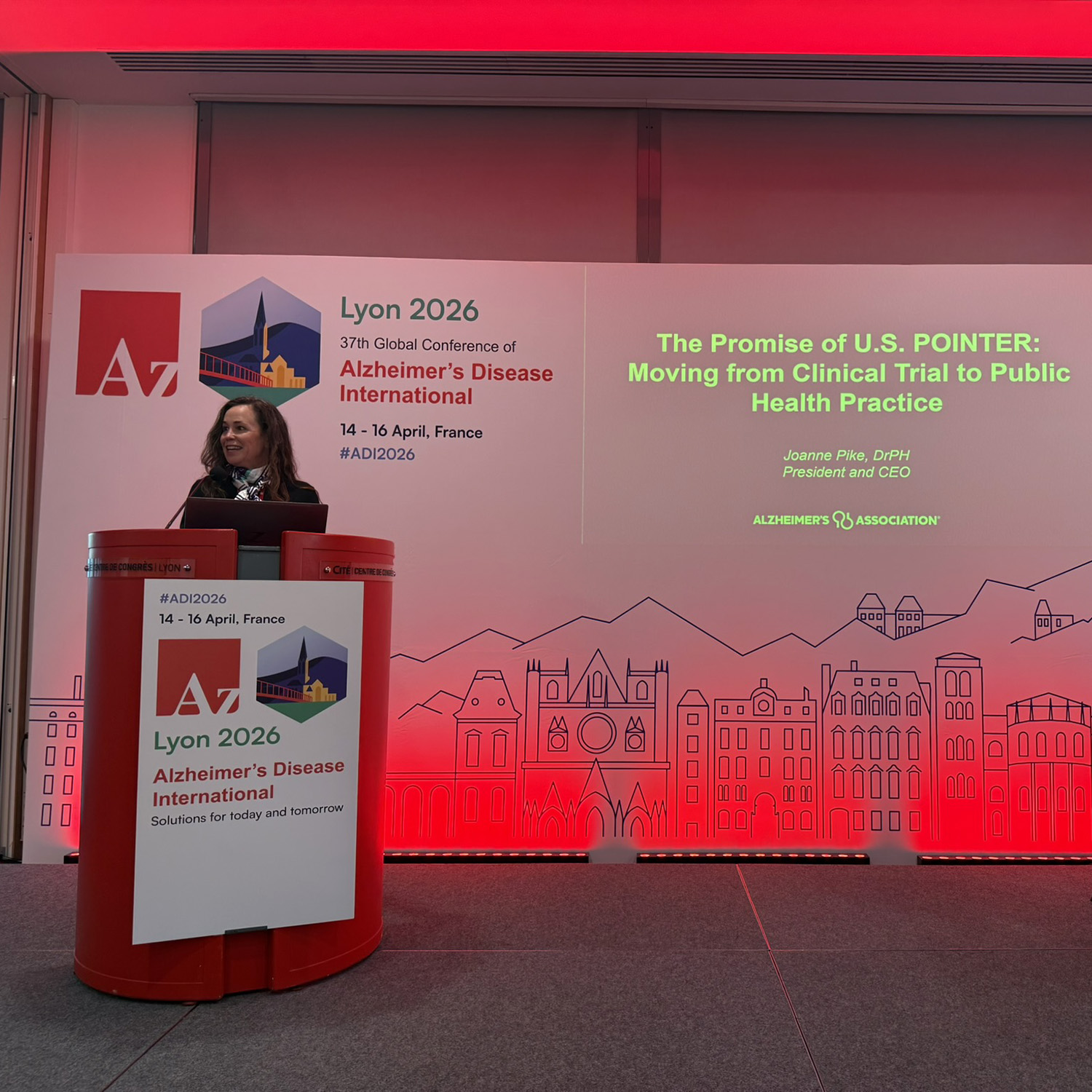
The symposium program included an overview by Miia Kivipelto and latest updates on U.S. POINTER in the U.S. (Joanne Pike), J-MINT in Japan (Takashi Sakurai), and AGELESS in Malaysia (Suzana Shahar, via video), as well as reports from the Nordic region (Jenni Kulmala). Positive results from these trials strengthen and further develop the evidence for multidomain interventions and lay foundations for implementation activities that bring risk reduction strategies closer to communities and clinical settings.
AD-RIDDLE updates
The AD-RIDDLE consortium unites European public and private organizations in joint efforts aimed at revolutionizing early detection, prevention, and treatment of Alzheimer’s disease.
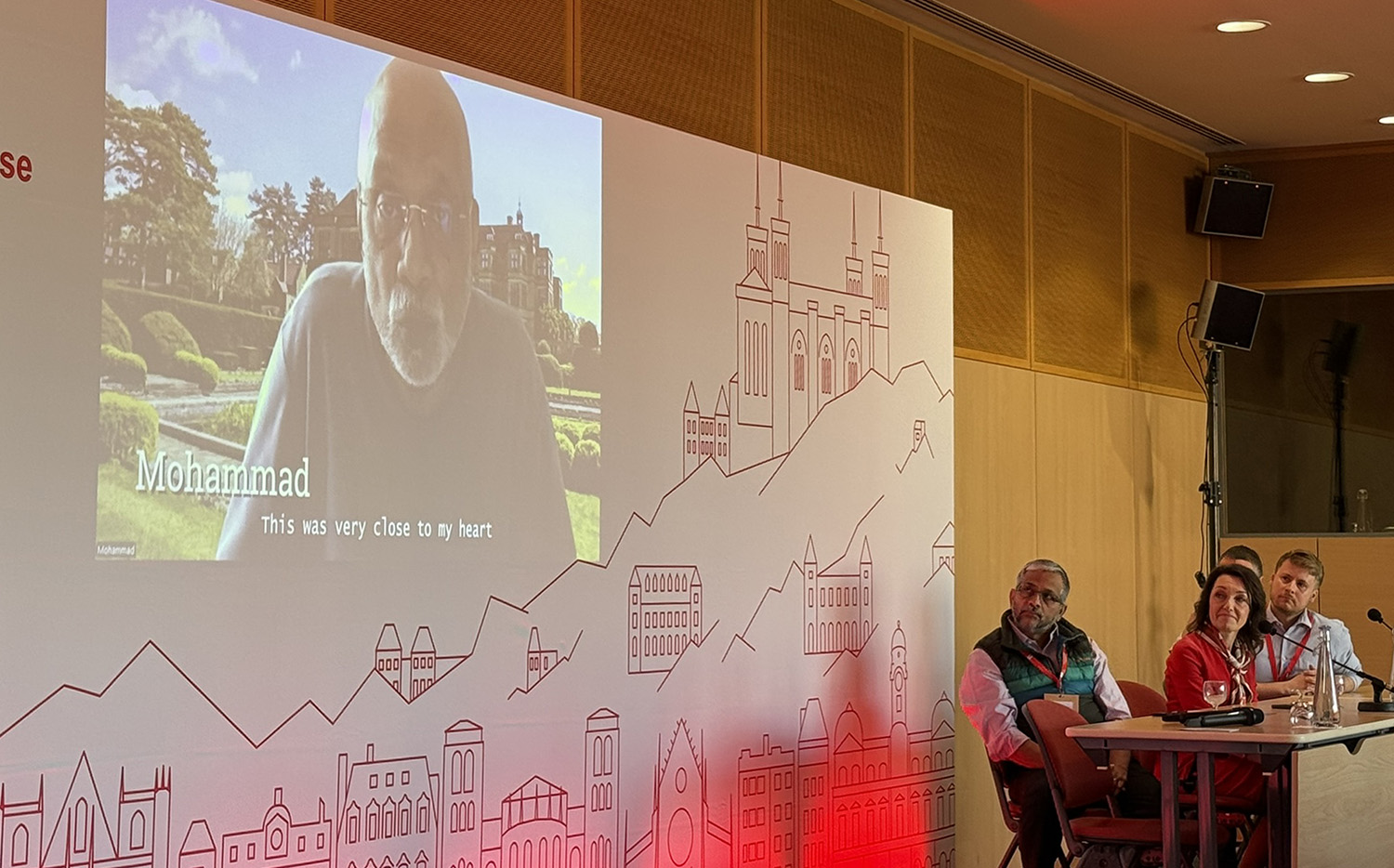
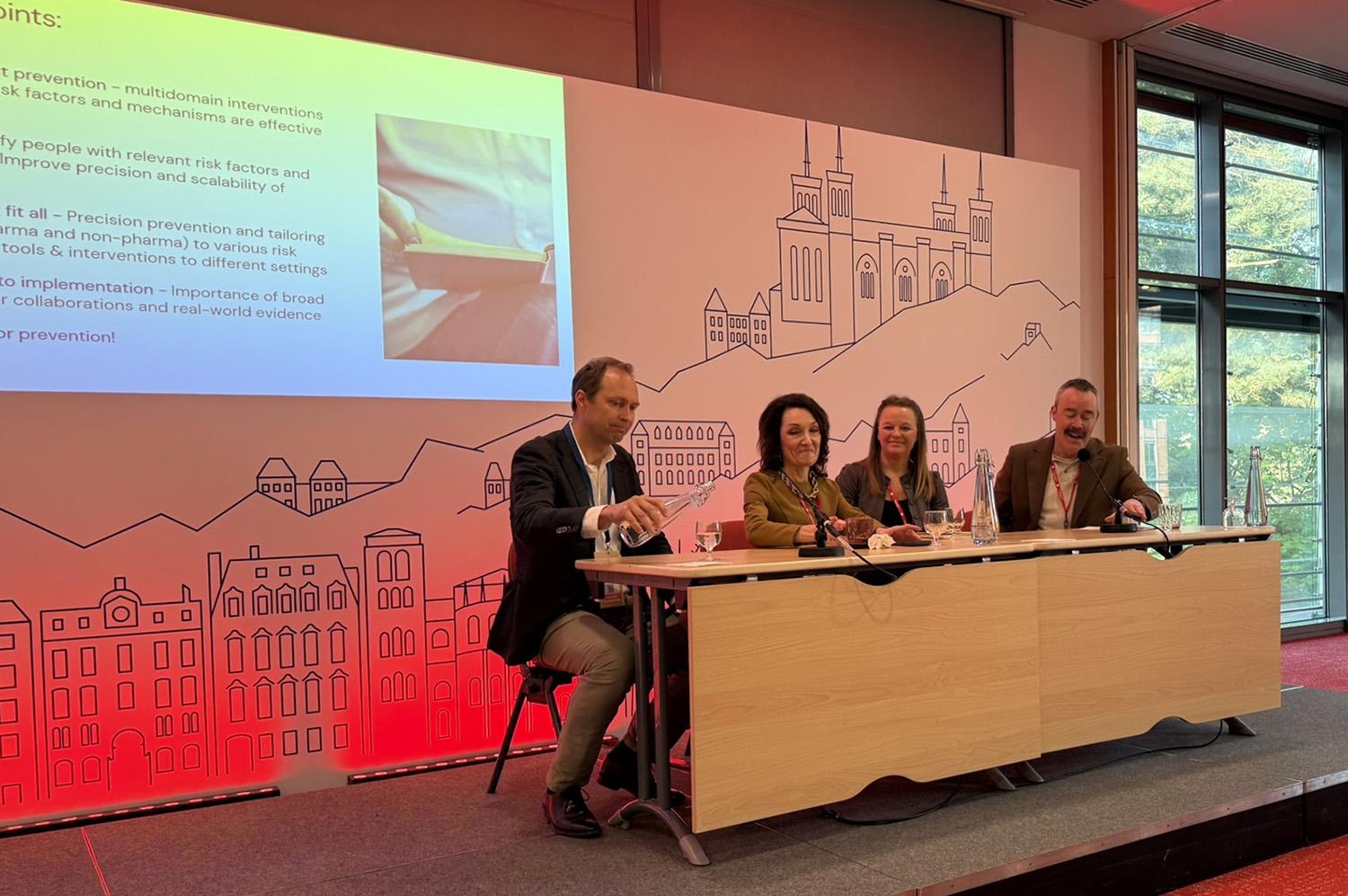
At a dedicated symposium at ADI 2026, AD-RIDDLE co-leads Niranjan Bose (Gates Ventures) and Miia Kivipelto were joined by Lukas Duffner (Alzheimer Europe) and Ties Hoomans (London School of Economics and Political Science) to present how the EU-supported AD-RIDDLE project progresses in building an evidence base for implementation of diagnostics tools and lifestyle interventions. They gave an update on the rationale and toolbox of AD-RIDDLE, and presented findings from European policy evaluations and from a survey of care staff’s familiarity with biomarkers and digital cognitive assessments.
On video, members of the AD-RIDDLE International Advisory Board shared their experiences of being involved, as part of the project’s Public Involvement effort.
International recommendations for risk reduction and prevention
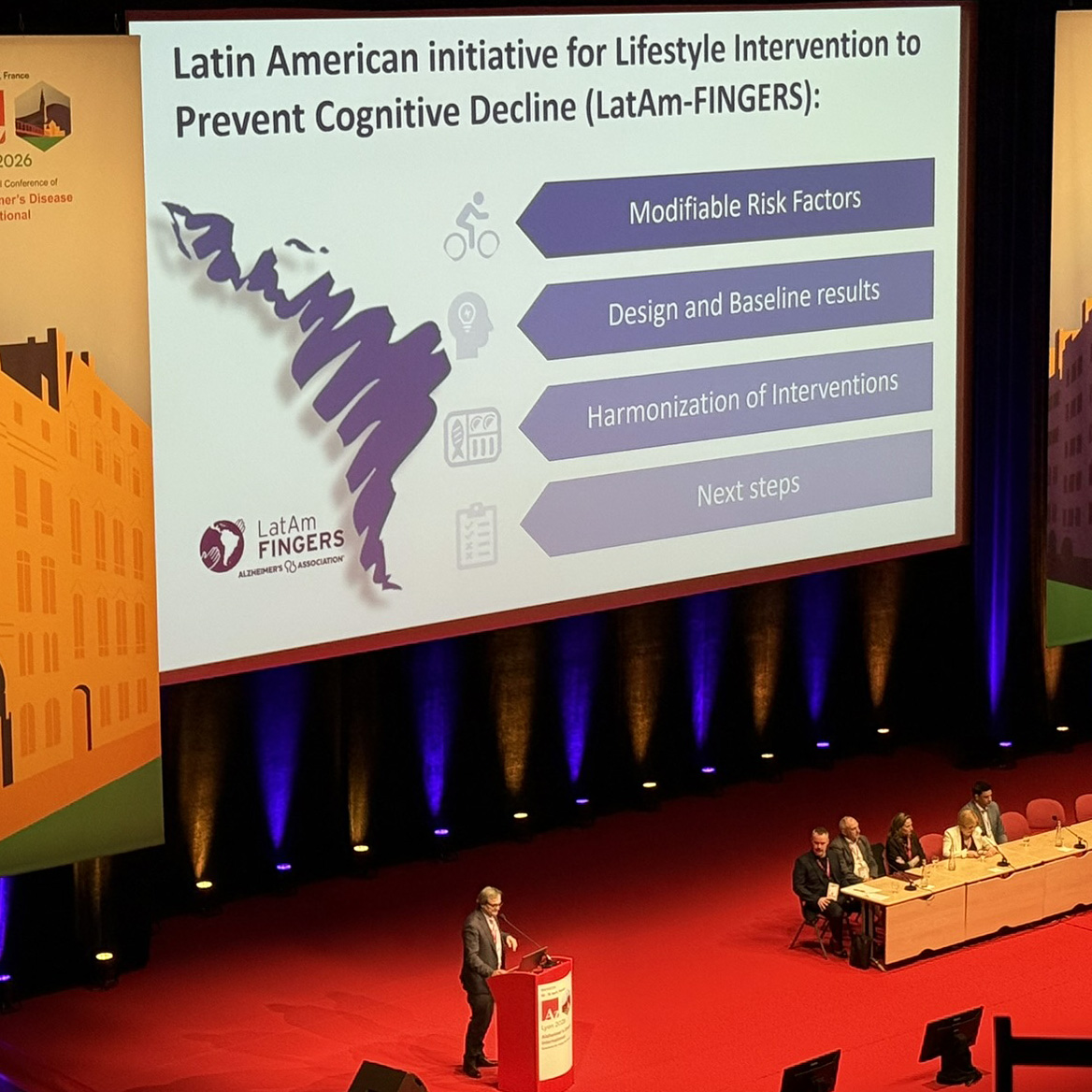
The conference’s first plenary session was dedicated to risk reduction strategies, and included a presentation from Ricardo Allegri, leader of the LatAmFINGERS study, which investigates the feasibility and efficacy of a multi-domain lifestyle intervention across Latin America.
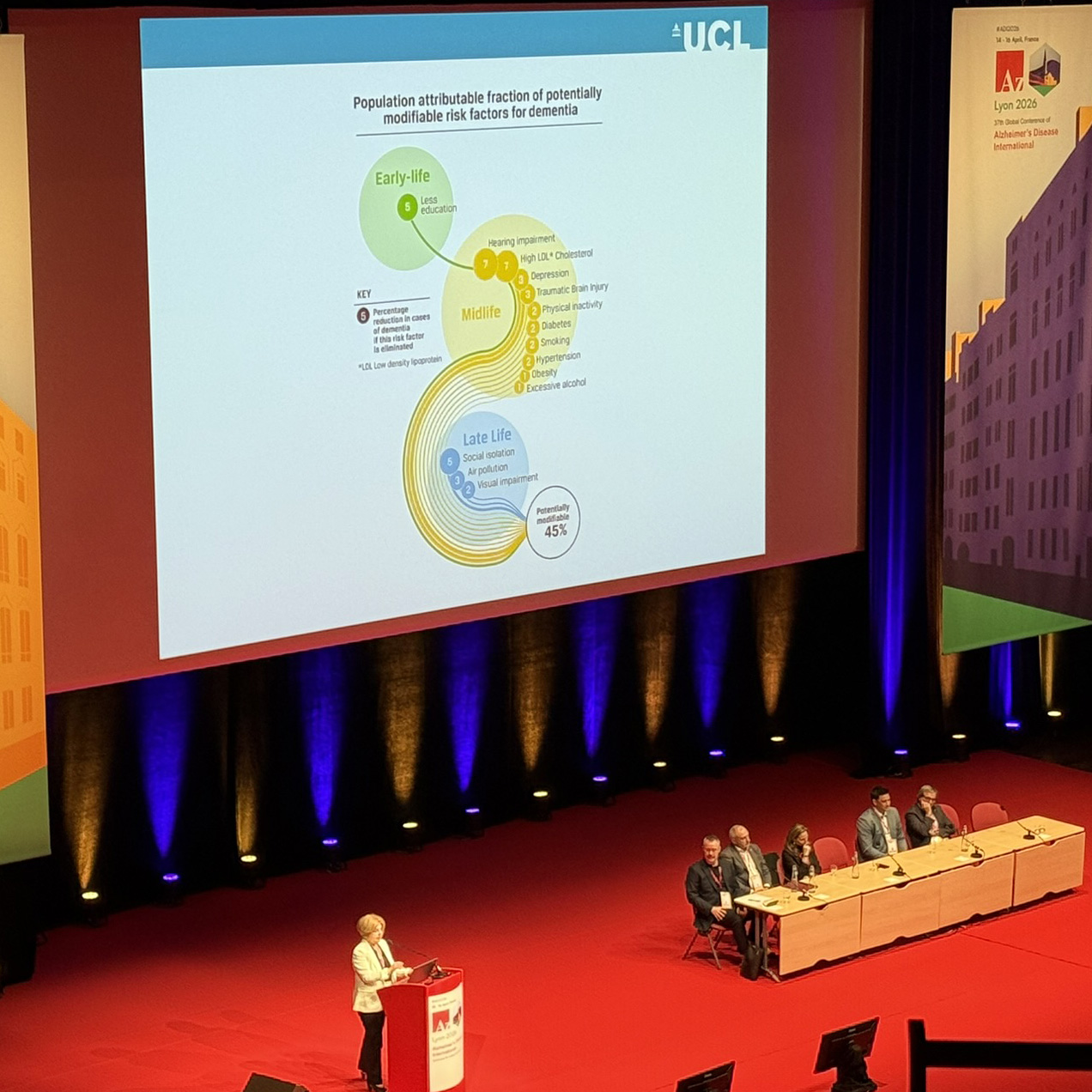
There was also an update by Gill Livingston, who leads the Lancet Standing Commission on Dementia Prevention, Intervention and Care. Since it’s latest report in 2024, which concluded that 45 percent of all dementia is associcated with modifiable lifestyle and environmental risk factors, the commission continues to evaluate findings worldwide. Professor Livingston highlighted the need for personalized interventions based on risk factors, and encouraged future studies to recruit more participants from high risk groups, to yield even richer insights.
Strong interest for FINGER and lifestyle interventions
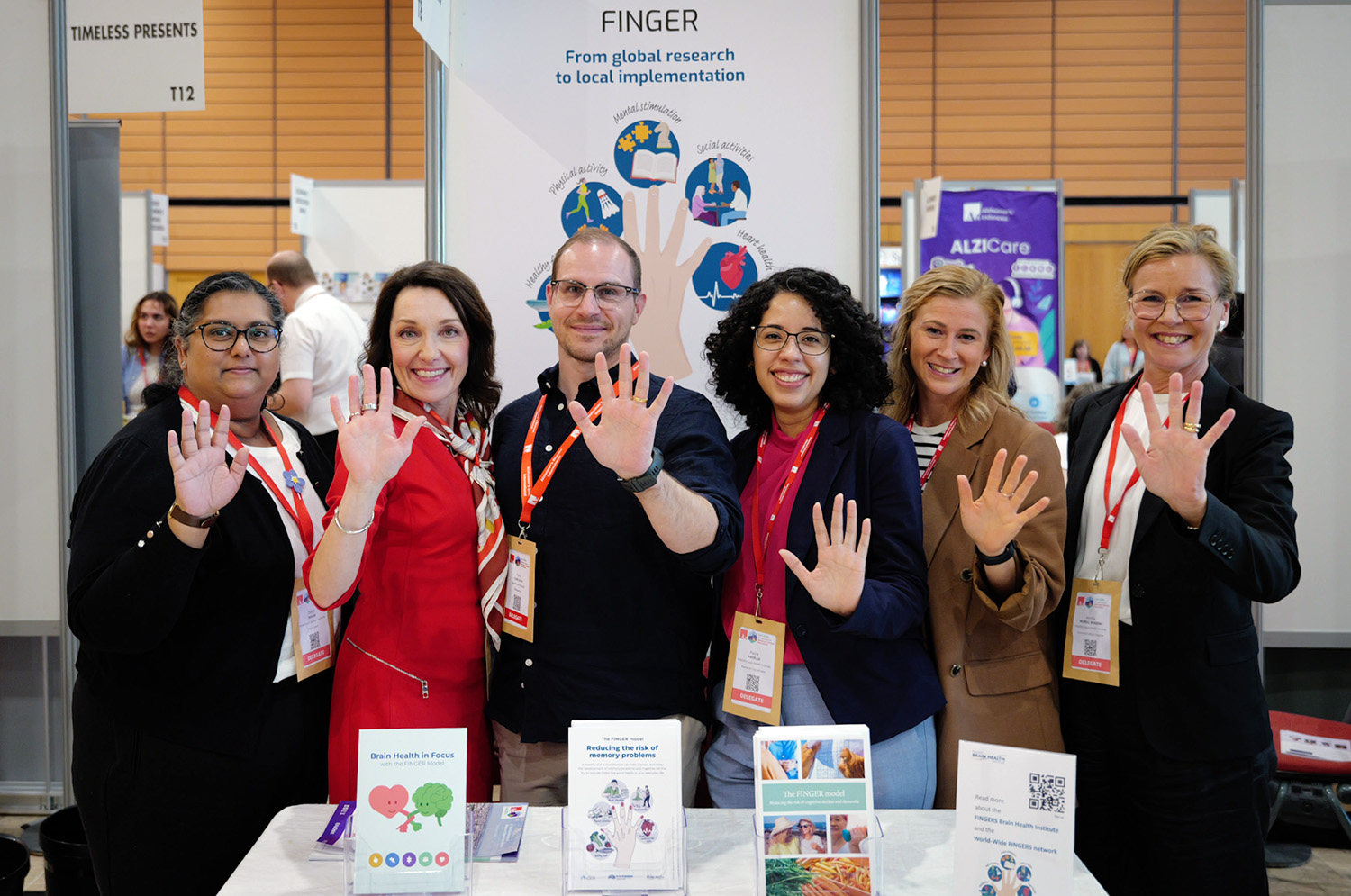
We were busy at our booth, meeting professionals and carers from around the world who are implementing a FINGER approach in their activities, or interested to learn more. We were so encouraged by all the valuable conversations we had, and by seeing that prevention and risk reduction strategies are becoming established and will continue to grow and develop.
Data harmonization for deeper insights
At a plenary on Big Data in global initiatives, Miia Kivipelto gave a presentation about the World-Wide FINGERS network and the current and planned activities for data sharing and harmonization across the network members around the world. This is really a strength of the network and creates synergies, facilitates the establishment of joint methodologies and study design, and supports the building of a solid evidence base.
The session was chaired by Niranjan Bose and Ricardo Allegri.
“Every day counts” – National dementia strategies
Nordic countries are currently reviewing their national strategies, and the extension of WHO’s Global Action Plan is developing recommendations for early interventions. At a BioArctic-supported symposium, Miia Kivipelto and Linus Jönsson (KI) were on the panel to discuss important components of national strategies, including patient-focus and health economy aspects.
Precision medicine and biomarker innovation
Arranged by Alzheimer’s Drug Discovery Foundation and chaired by Laura Niesenbaum, this symposium discussed how biomarkers and new diagnostics are reshaping the Alzheimer’s disease landscape. Miia Kivipelto was on the panel with other experts in the fields of biomarkers and diagnostics, including digital and AI-enabled solutions and speech and vision based tools.
Perceptions of anti-amyloid treatments
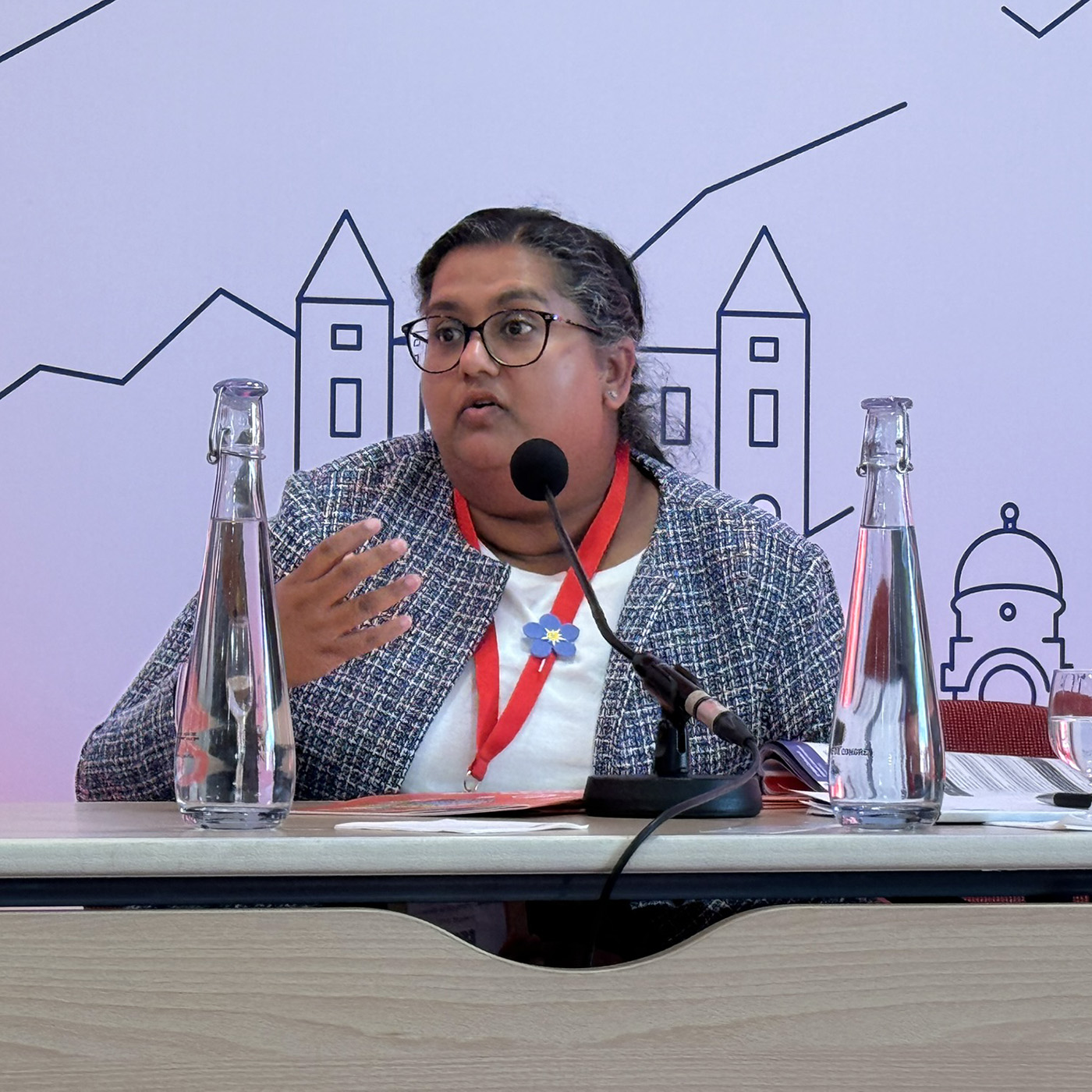
As part of her doctoral studies at University of Southern California, our colleague Dinithi Perera has explored the perceptions of anti-amyloid medications (mAbs) among clinicians, persons diagnosed with dementia, and persons providing support in the U.S. At ADI, she had the opportunity to present her findings, showing significant variations in how clinicians communicate mAb risks, benefits, and trial outcomes, and in eligibilty assessments and referral processes.
Professor Miia Kivipelto is a member of the ADI Board and the chair of ADI’s Medical and Scientific Advisory Panel since 2025.